
Cranberries and the American Middle Class: A Symbol of Healthy Aspiration and Modern Lifestyles
This article explores how the cranberry has evolved from a holiday staple into a superfood symbol of the American middle class's health-conscious and modern aspirational lifestyle.
CRANBERRY MENUPRESERVATIONQUALITYCRANBERRYSUSTAINABILITYCRANBERRY PAIRINGSCRANBERRY SUPPLIERSCRANBERRY FARMINGMIDDLE CLASSHEALTHCRANBERRY PRODUCTSAMERICAN
10/17/20252 min read
Cranberries and the American Middle Class: A Symbol of Healthy Aspiration and Modern Lifestyles 🍒
Cranberries, with their tart flavor and vibrant red hue, are more than just a holiday staple; they've become an unexpected symbol of healthy aspiration and modern living for the expanding American middle class. This trend reflects a broader shift in consumption where food choices are increasingly linked to self-identity, health goals, and a desire for a perceived higher quality of life.
The Health Halo: From Sauce to Superfood
Historically, cranberries were primarily known in the form of jellied sauce served alongside Thanksgiving turkey. However, in recent decades, their image has been dramatically recast. Aggressive marketing and genuine scientific interest have promoted cranberries as a "superfood" rich in antioxidants and unique compounds believed to support urinary tract health.
For the middle class, which is often juggling busy schedules and seeking accessible ways to maintain well-being, the cranberry offers a simple solution. Products like 100% cranberry juice, dried cranberries in trail mix, or cranberry additions to whole-grain cereals fit seamlessly into a health-conscious diet. Choosing cranberry products, often positioned at a slightly premium price point compared to standard juices or dried fruits, signals an investment in preventative health and an adherence to contemporary dietary wisdom. This consumption upgrade is a tangible way for middle-class families to express their commitment to a healthier, more informed lifestyle.
Convenience Meets Aspiration
The rise of the middle class in America coincided with an increase in dual-income households and a greater demand for convenience. Cranberry products—particularly dried cranberries, pre-bottled juices, and ready-made snacks—meet this need perfectly. They are shelf-stable, easy to incorporate into packed lunches, and suitable for on-the-go consumption.
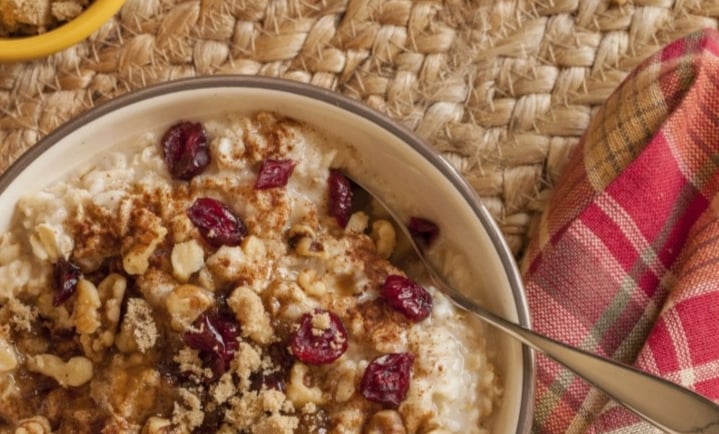
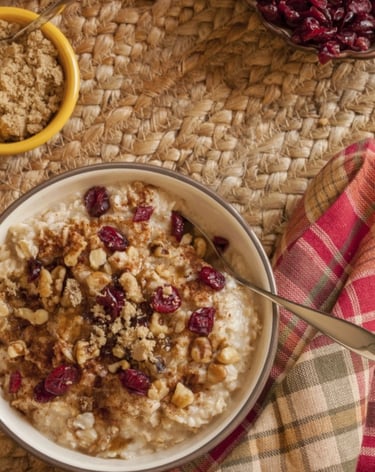
For the aspirational middle-class consumer, these choices are not just practical; they represent a modern, balanced lifestyle. Adding dried cranberries to a homemade oatmeal bowl, for example, elevates a simple breakfast into a seemingly gourmet, nutrient-dense meal . This slight upgrade in common grocery items—a consumption upgrade—is a subtle but significant way to participate in the "good life" without breaking the budget on true luxury items.
A Taste of the Modern Palate
The tartness of the cranberry also appeals to a changing, more sophisticated American palate that moves beyond overly sweet flavors. Incorporating cranberries into foods like artisanal breads, savory salads, or low-sugar smoothies reflects a culinary curiosity and an embrace of diverse, complex tastes—characteristics often associated with an educated, well-traveled, and modern demographic.
In essence, the cranberry is a perfect proxy for the modern middle-class consumer: health-aware, busy, and aspiring to a quality of life that prioritizes natural ingredients and functional benefits. It's a small, affordable luxury that allows them to signal their participation in the broader movement toward wellness and modern, mindful consumption. This little red berry, therefore, stands as a small, everyday symbol of the American middle-class dream—one bite or sip at a time.
Connect
Your source for the finest cranberries worldwide.
© 2024. All rights reserved.